
When I Hook Up Roku To My Tv What Do I Get For Free
- For Roku setup, you'll need to plug it in, connect to WiFi, pair the remote, and activate the device.
- You can pair an enhanced Roku by inserting the batteries or pressing the pairing button, and the standard Roku remote doesn't need to be paired at all.
- You need to create a free Roku account to activate your player, or you can use an existing account.
- Visit Insider's Tech Reference library for more stories.
- When I Hook Up Roku To My Tv What Do I Get For Free On Amazon Prime
- When I Hook Up Roku To My Tv What Do I Get For Free Channels
Hook up Roku to the hotel’s TV as you normally do at home, wait for it to turn on, then go to Settings Network Wireless (Wi-Fi) and setup as you normally would any wireless network, this. Roku Channels: There are lots of best Roku channels available on the Roku Channel Store and so you will get an endless hour of the streaming experience.
Roku media players are among the most popular devices thanks to their easy interface, simple remote control, and expansive library of streaming service apps.
Every device in the Roku family works more or less the same way. They're all quick to install and setup, and only a handful of features distinguish the entry-level Roku Express ($30) from the premium-priced Roku Ultra ($100).
How to set up your Roku device
Setting up a Roku player is generally the same regardless of which model you have. Any differences are generally related to the way you plug it in (some players connect to the TV via an HDMI cable, for example, while Streaming Stick models plug directly into the TV's HDMI port).
Step 1: Connect Roku device to your TV
1. Connect the Roku player to an HDMI cable and then plug that cable into an HDMI input on your television. If you have a Roku Streaming Stick, you don't need an HDMI cable. Instead, just insert the Streaming Stick directly into the HDMI port.
Quick tip: Keep in mind that if you want to watch content, not only will you need a Roku player that supports 4K, but you'll have to plug it into an HDMI port that supports HDCP 2.2. You might need to refer to your TV's user guide or website to see if you have such an HDMI port.
2. Plug the Roku's power cable into the Roku device. Depending on which model you have, this power plug will either be a small round connector or a micro-USB connector. Plug the other end of the cable into one of the TV's USB ports, or into the included AC adapter, which you can then plug into an electrical outlet.
3. Make sure the TV is turned on and set to the correct input for the Roku player. After it boots, you should see the Roku's welcome screen.
Quick tip: If your TV doesn't have an HDMI port, you will need a Roku device that supports composite video. No current Roku models have this feature, but you may be able to find an older model like the Roku Express Plus for sale online.
Step 2: Pair your Roku remote
1. Open the battery cover on the back of the remote and insert the batteries. Put the cover back on the remote.
2. If you have an enhanced remote, you'll need to pair the remote control with the player — if you do, you should see a message on the screen telling you to press the reset button on the remote (it's located in the battery compartment) for 3-5 seconds. If your Roku includes a simple remote, it won't need to be paired at all.
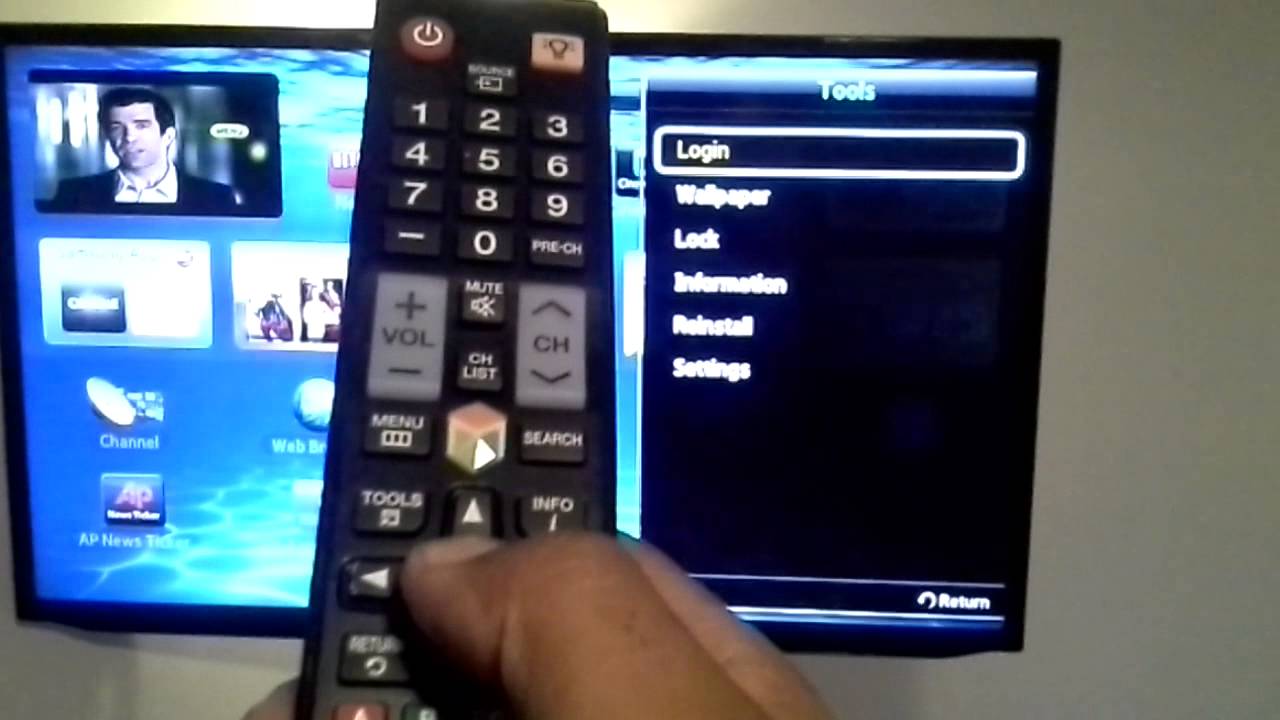
3. You should now be able to control the Roku with the remote. If you have a simple remote, remember to keep it pointed at the Roku player when you're sending commands.
Quick tip: If you prefer, you can use your Roku without the remote by using the mobile app for Android or iPhone instead.
Step 3: On-screen set-up and connect to WiFi
After the Roku screen appears on the TV (it should be on the language settings screen) and the remote is working, you can complete the setup process.
Follow the instructions on each screen. On the remote, use the five-way control button to move around the screen and press OK in the center to make choices and change screens.
When I Hook Up Roku To My Tv What Do I Get For Free On Amazon Prime
1. Start by choosing a language, then select your home's WiFi network and enter the password. Remember to use the fastest band available. For example, if you have a dual-band router, choose the 5GHz band, which will result in much smoother and more reliable video streaming than the slower 2.4GHz band.
2. Continue to follow the setup instructions. It's likely that the Roku will download updates after connecting to the internet via your WiFi.
3. You may need to help Roku select the best settings for your television. Let it autodetect your TV format; usually, you can allow it to make these selections automatically, but you can choose manual settings if you prefer.
4. Most Roku models come with a voice remote that can control your TV's power and volume controls. The Roku setup should configure the remote now; follow the on-screen instructions to teach the Roku remote how to use your TV's remote settings.
Step 4: Activate your Roku device
Finally, it's time to activate your Roku player.
1. Follow the on-screen directions to enter an email address that you want to use with your new Roku account. You need to have a Roku account (it's free) to activate the device. If you already have an existing account, such as from a previous Roku device, you can use the email address associated with that.
2. Within a few minutes, you'll receive an activation email. Click the link in the email to go to the Roku website. There, finish the process to complete your new account or log in to your existing Roku account.
3. You can now finalize setup on the Roku website, including letting you choose which streaming channels you want to use. Here, you can customize your Roku experience by choosing and logging into your favorite channels, like Netflix, Hulu, HBO Max, and any others you want to watch. You can always add more channels afterwards using the channel store on the Roku player.
Getting Started
- Figure out which audio/video connection to use. Your television set should have an HDMI connection, component connection, or composite connection. It may, in fact, have more than one of these connections. Take a good look at the side or back of your TV to figure out what your options are.
- An HDMI connection is skinny and narrow. If your TV has this option, choose it. One HDMI cable can carry both the audio and video signals, and it also supports 1080p HD video on Roku players that are compatible. Note, however, that your Roku player does not come with an HDMI cable, so that cable will need to be purchased separately.
- A component connection consists of three small circular outlets, usually colored green, blue, and red. You will need to hook up the audio and video separately, and this type of connection will only support up to 720p HD. While many Roku players are compatible with a component connection, some are not. Even if yours is compatible, you will need to purchase component cables separately.
- A composite connection is also made up of three small circular outlets, usually colored yellow, white, and red. You will need to connect the audio and video separately, and the audio needs an analog or RCA connection. A composite cable should have come packaged with your Roku player.
- Know which networking type you need to use. In order to use Roku, you will need to connect to the Internet. You can either connect to the Internet wirelessly or with a wired connection.
- To connect Roku with a wireless connection, you need to have a wireless Internet installed. You also need to have a corresponding network name, or SSID, as well as your wireless security password.
- To connect Roku using a wired connection, you will need to have Internet service as well as a standard Ethernet cable. This cable does not come with your Roku player and will need to be purchased separately.
- All models are compatible with wireless Internet, but only the Roku XS model is compatible with a wired connection.
- Power up the remote. Before you can do anything with your Roku player, you will need to provide power to the remote control. This remote is the only way of controlling content through your Roku player. Power up the remote by inserting batteries into the back compartment.
- The remote control requires two AAA batteries. These should be packaged with your Roku player, but if they are not, then you can use any standard AAA batteries.
- Open up the battery compartment by pressing the latch at the top of the cover down. Slide the cover down and off while pressing down on this latch.
- Insert the batteries, matching up the positive and negative signs.
- Place the battery cover back on the compartment and press it down until the latch snaps back into its original position.
Hooking Up Your Roku Player
- Connect Roku to your TV with an HDMI cable. Insert one end of an HDMI cable into the HDMI-IN port at the back of your television set. Plug the other end of the same cable into the HDMI port at the back of your Roku player.
- Note that if your TV has multiple HDMI ports, you can use any open HDMI port available. The one you choose should not make a difference.
- Use component connectors. Insert the red, blue, and green connectors on one end of your component cable into the corresponding red, blue, and green component-in ports on the back of your TV set. Plug the connectors on the other end of the same cable into the corresponding red, blue, and green component ports on the back of your Roku player, if available.
- A component connection is only for video. To get audio, you will need to hook up the red and white connectors of a standard A/V cable into the analog audio ports of the TV and into the corresponding ports on the back of your Roku player.
- If you have a Roku XDS, you will need a special component cable in order to make this type of connection work.
- Hook up a composite connection. Hook up the yellow, white, and red composite video and audio connectors from one end of a standard A/V cable into the corresponding yellow, white, and red video and audio ports on your television. Insert the 3.5 mm connector end of the same A/V cable into the A/V port on the back of your Roku player.
- While you might be tempted to use the composite ports on your VCR, you should not hook the Roku player up to you VCR. The video signal that goes through the VCR might be altered due to various copyright protection systems put in place on certain Roku content. As a result, the video you see on your TV screen will look distorted.
- The A/V cable that comes packaged with your Roku player is custom-built for the player. The Roku 2 XS is notably small, so it uses a single connector for the back of the Roku player. As such, standard A/V cables may not work.
Setting Up Roku
- Connect to your network. If you are using a wired Internet connection, you should connect one end of your Ethernet network cable into the corresponding Ethernet port on the back of your Roku player. Hook the other end of the cable up to an open Ethernet port on your Internet router.
- You do not need to worry about this step yet if you have a wireless connection. You will be guided through the connection process as you set up the player. For now, all you need to have is your network name and security password on hand.
- Plug in the power adapter. Connect the appropriate end of your power adapter into the back of the Roku player. Plug the adapter itself into the wall outlet. Your Roku player should start up on its own.
- Note that the Roku player does not have a Power button.
- Make sure that your TV is off as you connect the Roku player. Once connected, turn your TV on and set the display, or video input, to where you connected Roku (e.g., HDMI1, HDMI2, or A/V).
- After plugging the Roku player in, you should get a Roku message. The following sequence of screens should appear:
- Roku - Starting, please wait
- Roku - Launching home screen
- Welcome to the Roku player
- After the welcome message, press the 'OK' button to begin the rest of the process.
- Establish your Internet connection. You will have two options at this point. Select 'Wired' if that is the appropriate choice or 'Wireless' if that connection is the type you plan to use.
- If you have a wired connection, it should connect after you select that option, as long as you already have the Ethernet cable hooked up.
- If you select the 'Wireless' option, you will be led through a series of screens that can finish the connection for you. You will be asked to select your wireless network name and enter a security password, if applicable.
- Note that the Roku player automatically detects nearby wireless networks. You simply need to select your network from the list it provides. Do not place your Roku player in an enclosed cabinet since doing so may interfere with the wireless signal.
- Wait for Roku to install its software. As soon as the Roku player is hooked up and connected to your Internet network, it will automatically download and install the latest version of Roku software. You do not need to do anything to trigger the download or installation.
- After the software updates, the player will automatically reboot.
- Follow the on-screen instructions to finish the setup process. Once your Roku player restarts, you will be led through a series of on-screen instructions. Input the information as you are asked for it.
- You'll need to select your time zone. After doing so, select 'Done.'
- The following screen displays a unique code that links to your Roku player.
- Set up your Roku account using your player's code. Open a new browser window on your computer and go to www.roku.com/link. Once there, enter the code. Log into an existing account or set up a new one.
- You will need to provide a valid credit card number while setting up your account, but Roku is free, and the only time this credit card will be charged is if you purchase an app through the Roku Channel Store.
- Use your Roku player. After you link your Roku player and finish the setup process, you should see a message of congratulations on your TV. With this, your Roku player is ready to use.
Tips
- If your TV does not display the Roku screen after you plug the adapter in, double-check your input connections on both the Roku player and on the TV. You should also press the 'Input' or 'Source' button on your TV or TV remote to switch to the appropriate video input. If you do not know which input this is, just keep switching the input until you see the Roku screen.
Things You'll Need
- Roku player
- Television set
- HDMI cable (optional)
- A/V cable (optional)
- Component cable (optional)
- Ethernet cable (optional)