
National Center On Domestic And Dating Violence In Usa
Healthy relationships consist of trust, honesty, respect, equality, and compromise.1 Unfortunately, teen dating violence — the type of intimate partner violence that occurs between two young people who are, or who were once in, an intimate relationship — is a serious problem in the United States. A national survey found that ten percent of teens, female and male, had been the victims of physical dating violence within the past year2 and approximately 29 percent of adolescents reported being verbally or psychologically abused within the previous year.3
- Www.thehotline.orgDomestic Violence Support The National Domestic Violence ...
- National Center On Domestic And Dating Violence In Usa 2020
- National Center On Domestic And Dating Violence In Usa
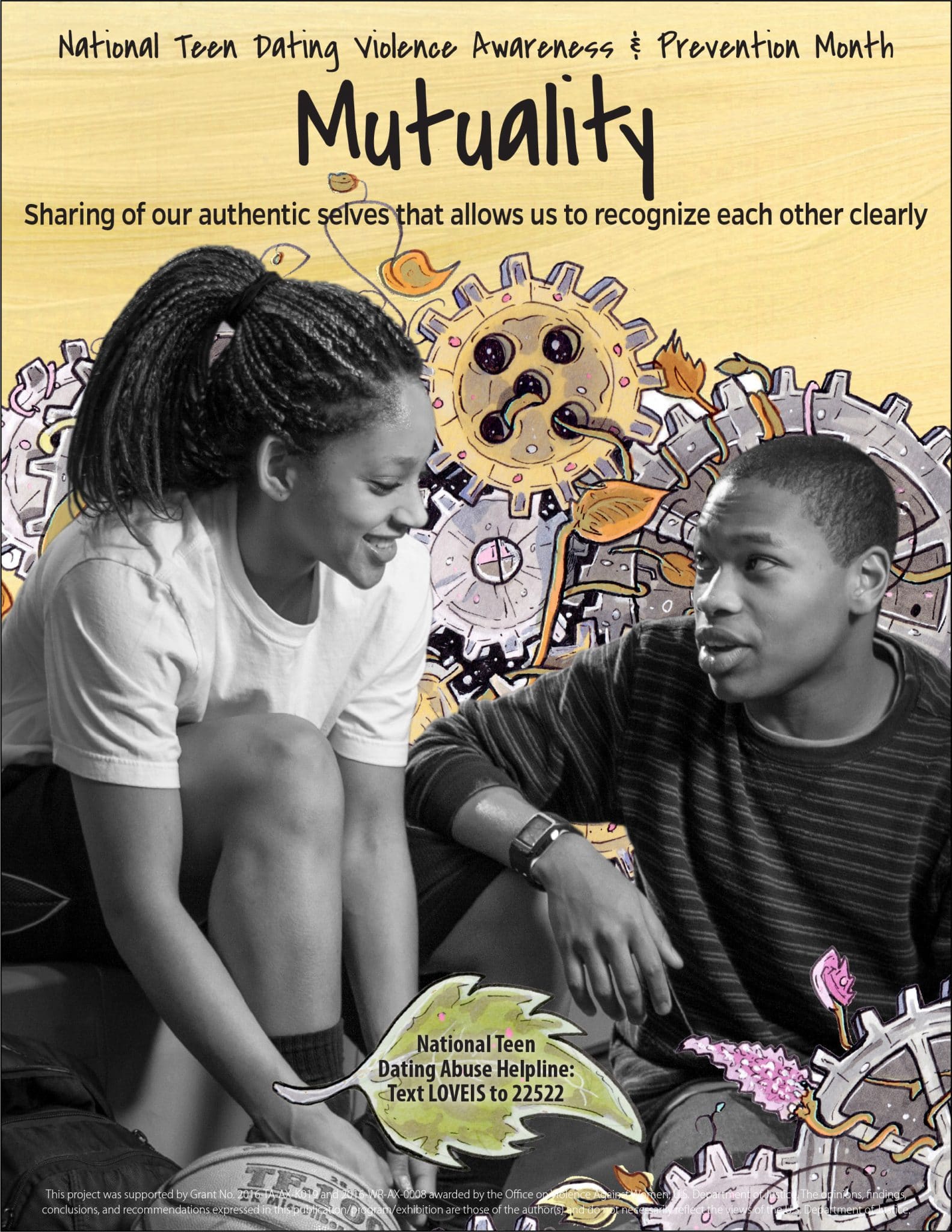
Teen dating violence can be any one, or a combination, of the following:
- Physical. This includes pinching, hitting, shoving, or kicking.
- Emotional. This involves threatening a partner or harming his or her sense of self-worth. Examples include name calling, controlling/jealous behaviors, consistent monitoring, shaming, bullying (online, texting, and in person), intentionally embarrassing him/her, keeping him/her away from friends and family.
- Sexual. This is defined as forcing a partner to engage in a sex act when he or she does not or cannot consent.
Partner violence report that they experience. 1 or more PTSD symptoms, compared to 5% of men. 2017 National Crime Victims’ Rights Week Resource Guide: Crime and Victimization Fact Sheets. Intimate partner violence (IPV), often called domestic violence, is generally described as abuse within the context of an. The National Resource Center on Domestic Violence (NRCDV) was established to inform, coordinate and strengthen public and private efforts to end domestic violence. Through technical assistance and training, development of resource materials and special projects, the NRCDV enhances and expands the domestic violence intervention and prevention efforts of communities and institutions.


It can negatively influence the development of healthy sexuality, intimacy, and identity as youth grow into adulthood4 and can increase the risk of physical injury, poor academic performance, binge drinking, suicide attempts, unhealthy sexual behaviors, substance abuse, negative body image and self-esteem, and violence in future relationships.5
Www.thehotline.orgDomestic Violence Support The National Domestic Violence ...

National Center On Domestic And Dating Violence In Usa 2020
Teen dating violence can be prevented, especially when there is a focus on reducing risk factors as well as fostering protective factors, and when teens are empowered through family, friends, and others (including role models such as teachers, coaches, mentors, and youth group leaders) to lead healthy lives and establish healthy relationships. It is important to create spaces, such as school communities, where the behavioral norms are not tolerant of abuse in dating relationships. The message must be clear that treating people in abusive ways will not be accepted, and policies must enforce this message to keep students safe.
References
National Center On Domestic And Dating Violence In Usa
2 CDC, 2010
3 Halpern, Oslak, Young, Waller, Markin, & Kupper, 2001
4 Foshee & Reyes, 2009
5 CDC, 2012